
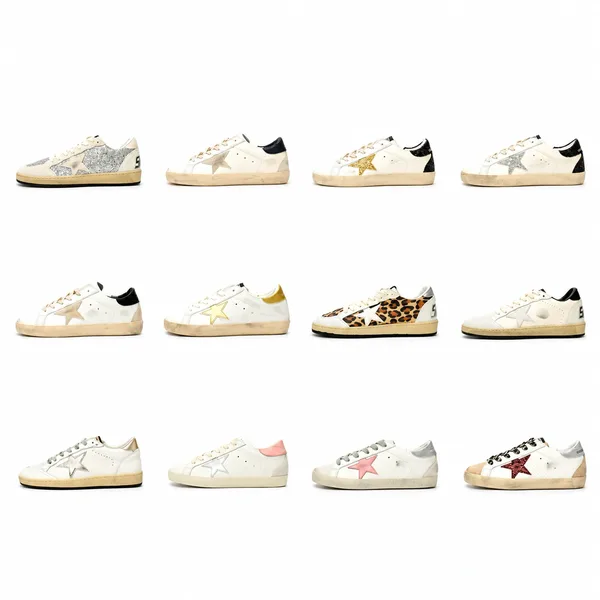
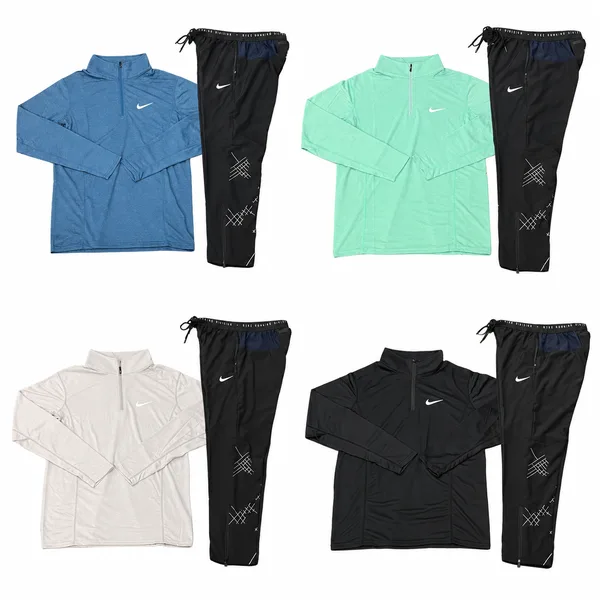
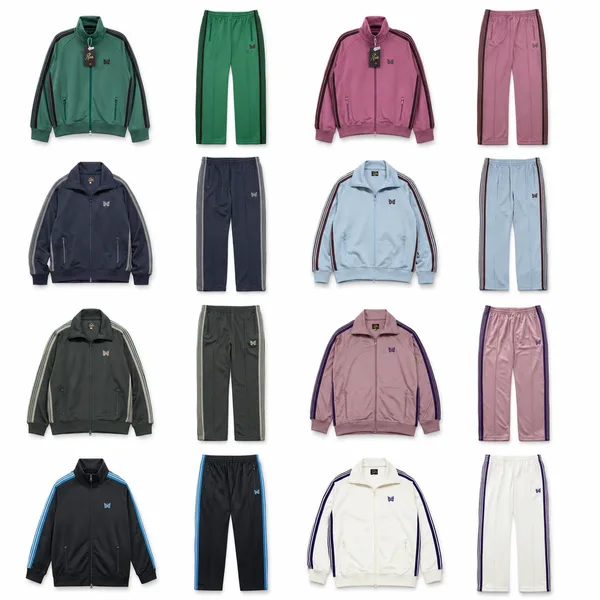
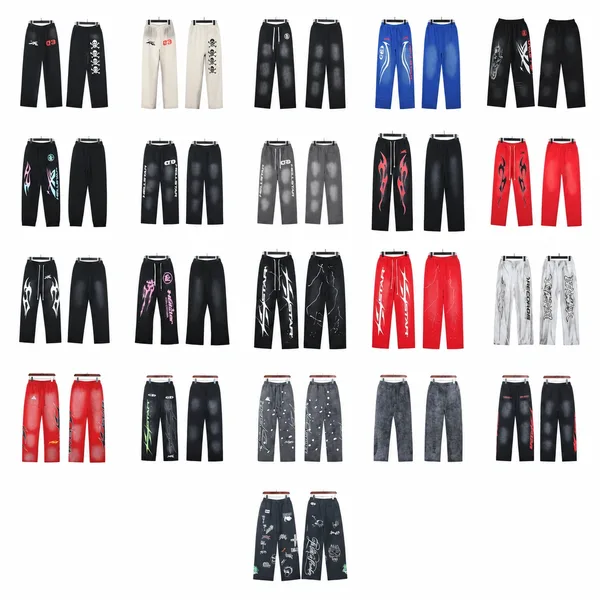
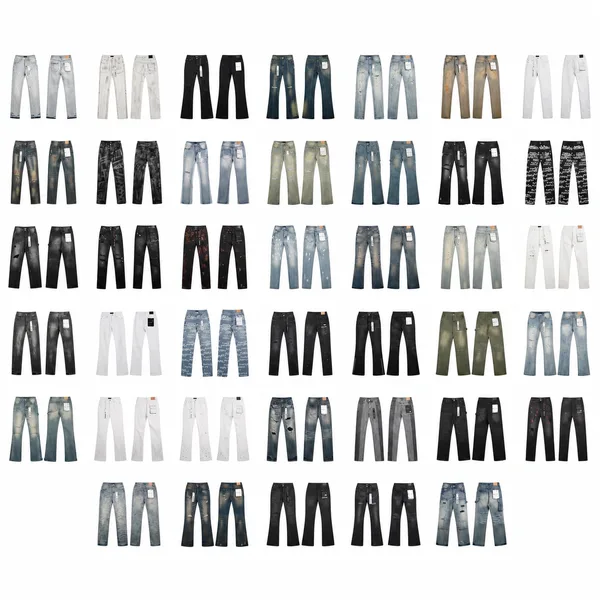
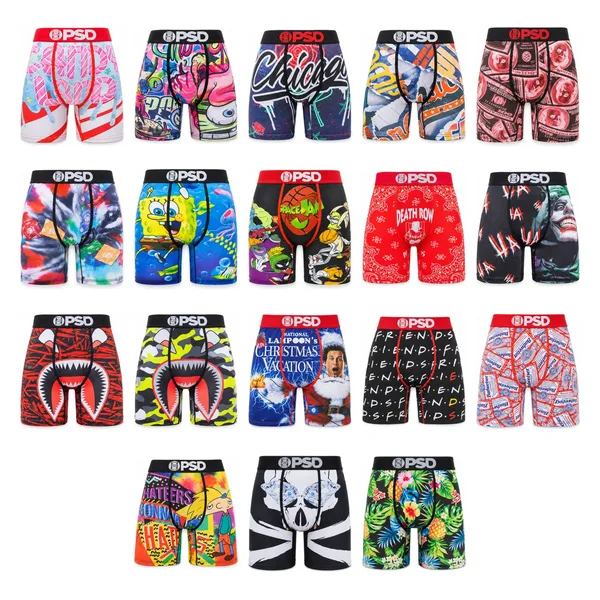
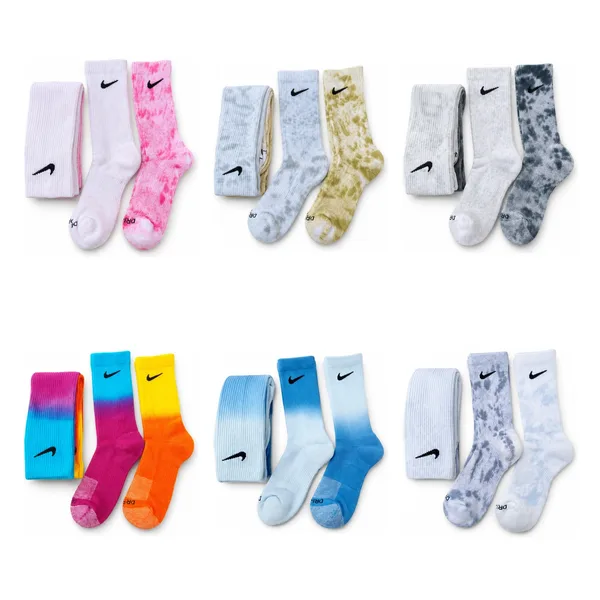
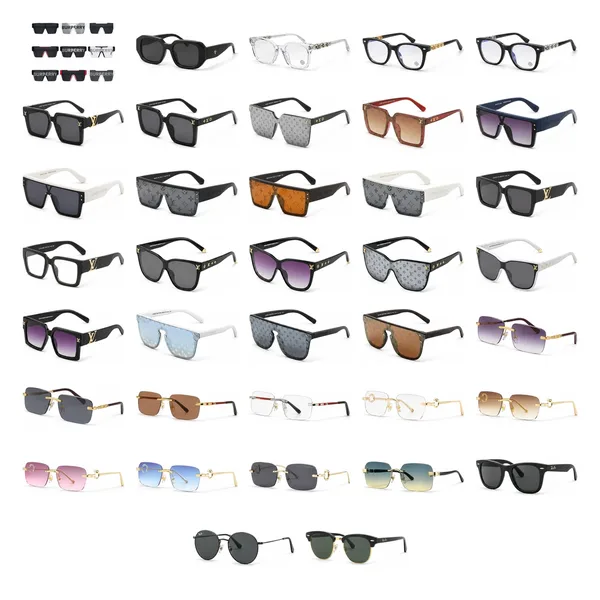
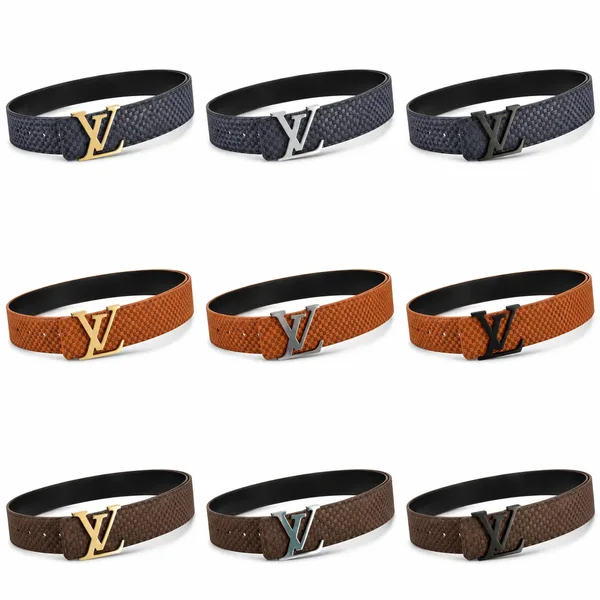
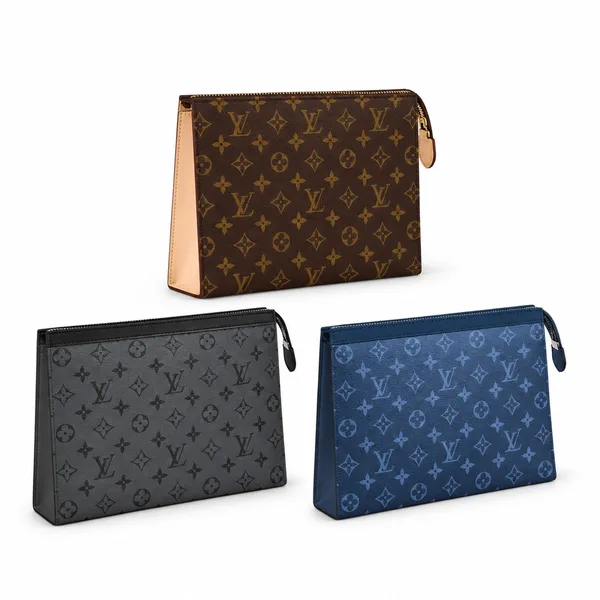
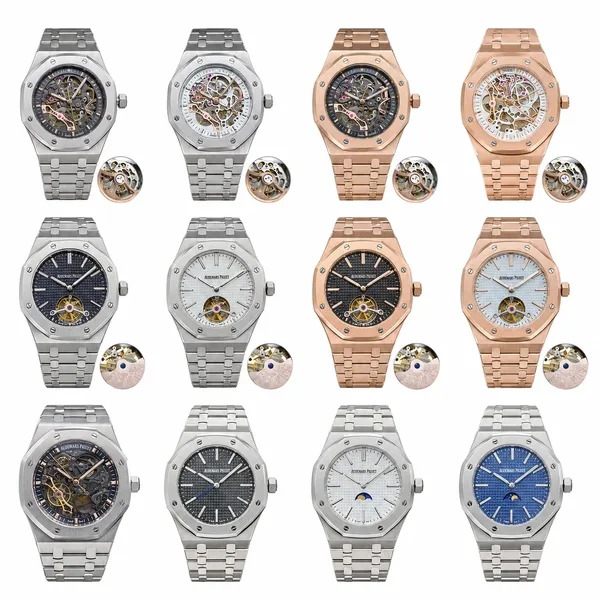
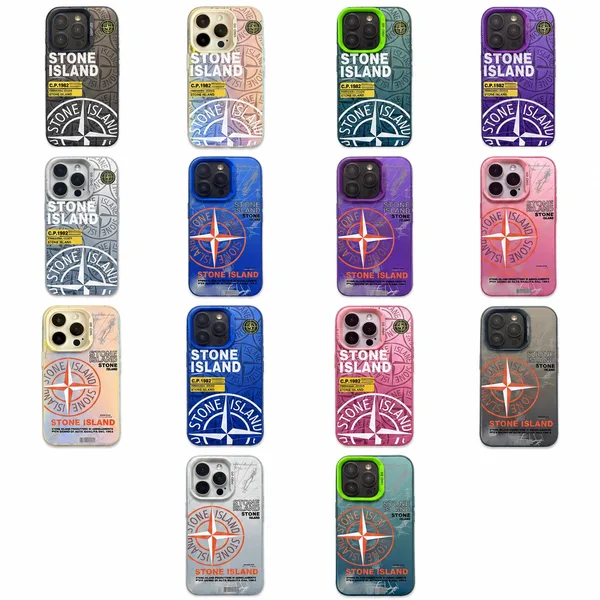
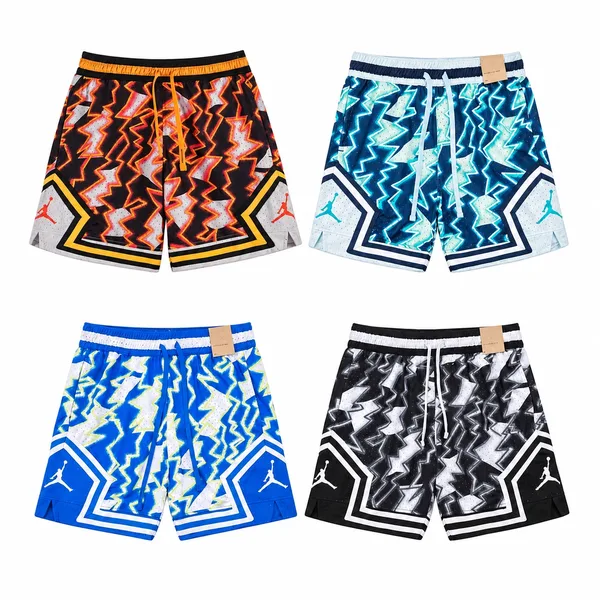
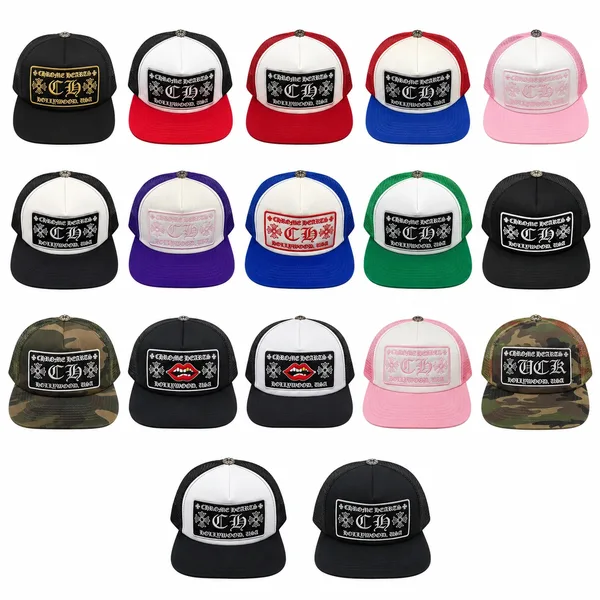
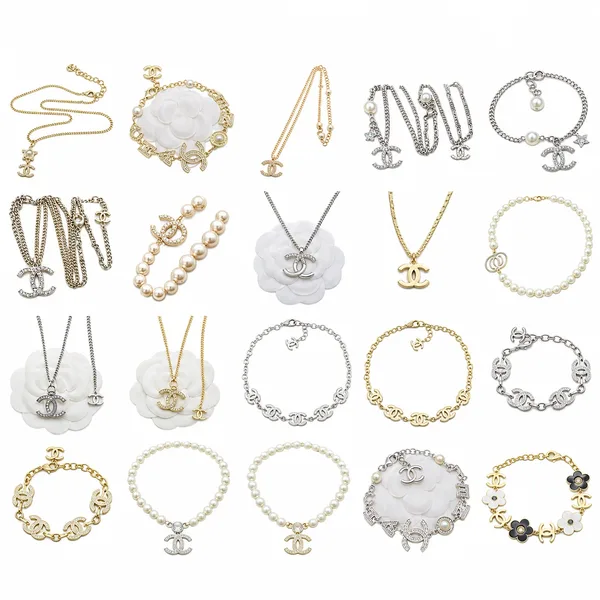
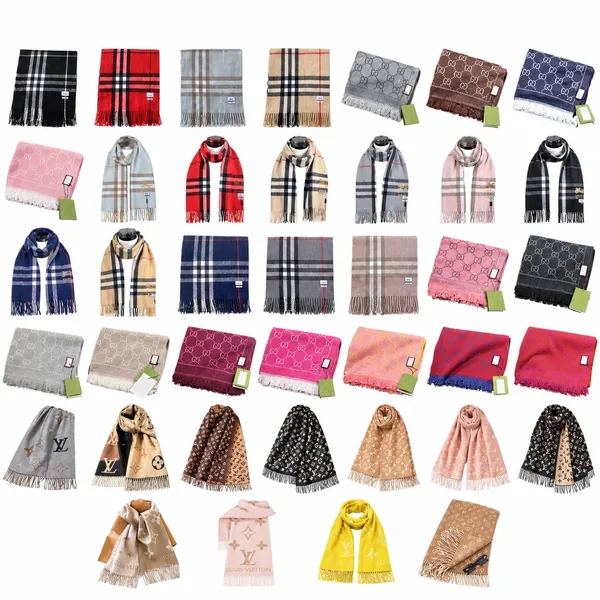
Find the pieces that work together in this HipoBuy spreadsheet. Browse the categories, compare photos and prices, and open your chosen item in HipoBuy. Keep the fit and colour you want beside each link, then use the buying and shipping guides when you are ready for the next step.
Start with the essentials
- Best HipoBuy spreadsheet: judge a list by how well it helps you choose, not its size.
- HipoBuy spreadsheet links: keep products, intended options and notes together.
- HipoBuy spreadsheet guide: work through selection, item checks and parcel planning.
- HipoBuy spreadsheet review: understand what a browsing check can and cannot establish.
- Is a HipoBuy spreadsheet safe to use?: check destinations, protect private information and separate shopping risks.
Choose a category with a purpose
A useful clothing shortlist starts with a need. You might want a T-shirt that works under a jacket, shoes for a particular activity or an outer layer that fits over what you already own. Decide on that role before comparing prices or saving more candidates.
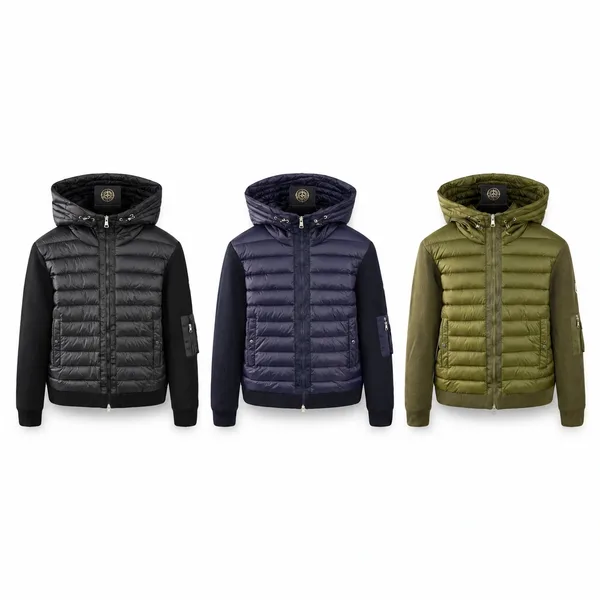
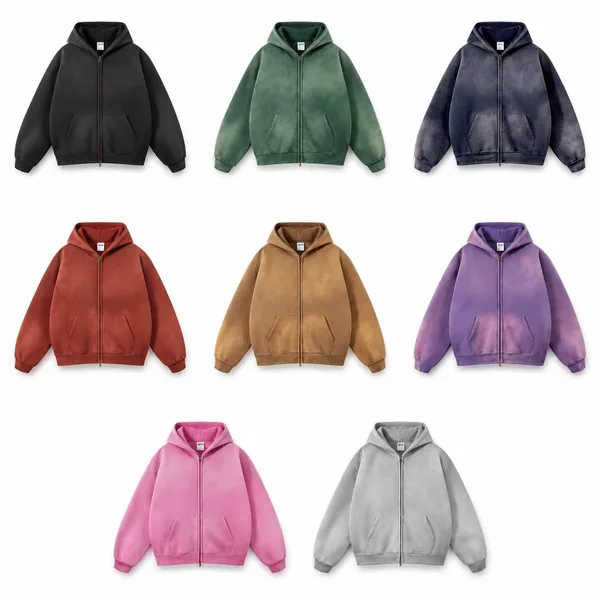
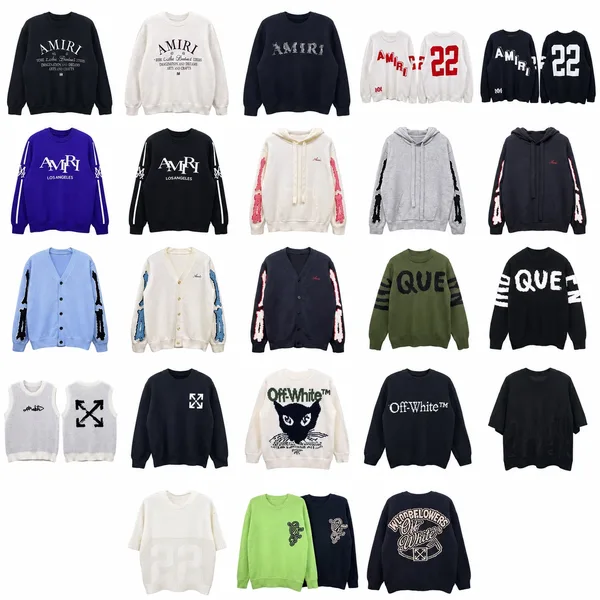
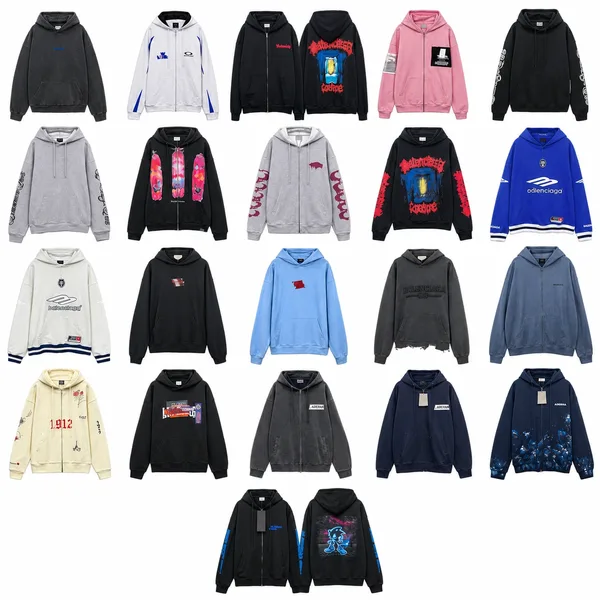
Read the T-shirt guide, shoe guide, hoodie and sweater guide or jacket guide. For coordinated pieces, use the sets guide; for a wardrobe gap, look through pants and shorts or accessories.
If you want a product to inspect now, view the floral graphic T-shirt. Compare its current details before deciding on an option. A product appearing in a list is not a guarantee that it suits your needs.
Compare fit before adding another item
Use a garment you already like as a reference. Compare equivalent measurement points instead of assuming that a familiar size label will reproduce the same fit. Think about how you plan to wear the piece: underneath another layer, over a shirt or on its own.
The size guide helps organise that comparison. Keep the measurement or feature that drove your decision beside the product address so you can recheck it when the listing opens with a different default option.
Keep the shortlist manageable
Save enough information to recognise each candidate: the product, intended option and why it interests you. Separate items you are considering from those whose details you have already checked. Remove or replace an item because of a clear decision, not simply because another image appeared.
If a saved address redirects or loads without its options, use the link-checking guide. A replacement should be assessed as a new candidate rather than inheriting the old entry's size, price or photo conclusions.
Check the item and the parcel separately
When reviewing photos, begin by matching the item and option. Then examine the detail that matters: a measurement, a fastening or a visible mark. An overall image and a close-up answer different questions. The QC photo guide explains how to read them without treating pictures as proof of everything about a product.
Once the item decision is clear, plan the parcel. The shipping guide covers contents, packaging and destination-specific choices. Do not assume that a saved item price represents the total delivered cost.
Use the right guide for your next question
For a purchase you may want to change, review returns and refunds before proceeding. For an account or order question, use support. Keep private order references outside any shortlist you intend to share.
Country and language sections are available in the directory below. Choose the section that fits your question, while checking the actual order and delivery terms for your destination.
Frequently asked questions
Is a spreadsheet the same as an order?
No. It organises discovery and comparison. Confirming products, paying for an order and arranging a parcel are separate actions.
Do I need a large basket to start?
Build a basket around items you can assess and a cost you are comfortable with. More items add more decisions about fit, options and packaging.
What makes a saved entry useful later?
A correct destination, an identifiable option and a short note explaining your choice. Those details help you recheck an item without starting from scratch.